






Subsurface defects in construction refer to hidden problems beneath a building’s surface that can cause serious structural damage over time. They usually involve soil, drainage, or ground support. These issues often begin before they become visible but later manifest as foundation cracks, sloping floors, sticking doors, or water intrusion, among other things.
What Is a Subsurface Defect?
A subsurface defect is a type of construction defect in Houston, in the soil, subgrade, or ground support system beneath or around a structure.
These defects are often latent, meaning they may not be visible immediately after construction. Instead, damage can surface months or even years later.
Common examples of subsurface defects include:
- Improper soil compaction
- Expansive clay movement
- Poor drainage design
- Groundwater intrusion
- Settlement caused by unstable fill material
Subsurface problems are not cosmetic; they affect the stability and performance of the building itself.
Why Houston Is Vulnerable to Subsurface Defects
Houston’s geography and soil composition make it susceptible to subsurface construction problems.
Much of the Houston area sits on expansive clay soils. These soils swell when wet and contract when dry. During heavy rainfall, the clay may expand and push against foundations. During dry periods, it may shrink, leaving gaps and
Houston’s flat terrain and history of flooding also increase the risk of water-related subsurface issues. Improper grading or inadequate drainage systems can cause water to pool and damage structures.
Without proper design and site preparation, Houston construction projects are vulnerable to subsurface defects that can damage building structures and foundations over time.
Swift CommunicationProven Track RecordResults-Oriented
Subsurface Defects in Houston Construction
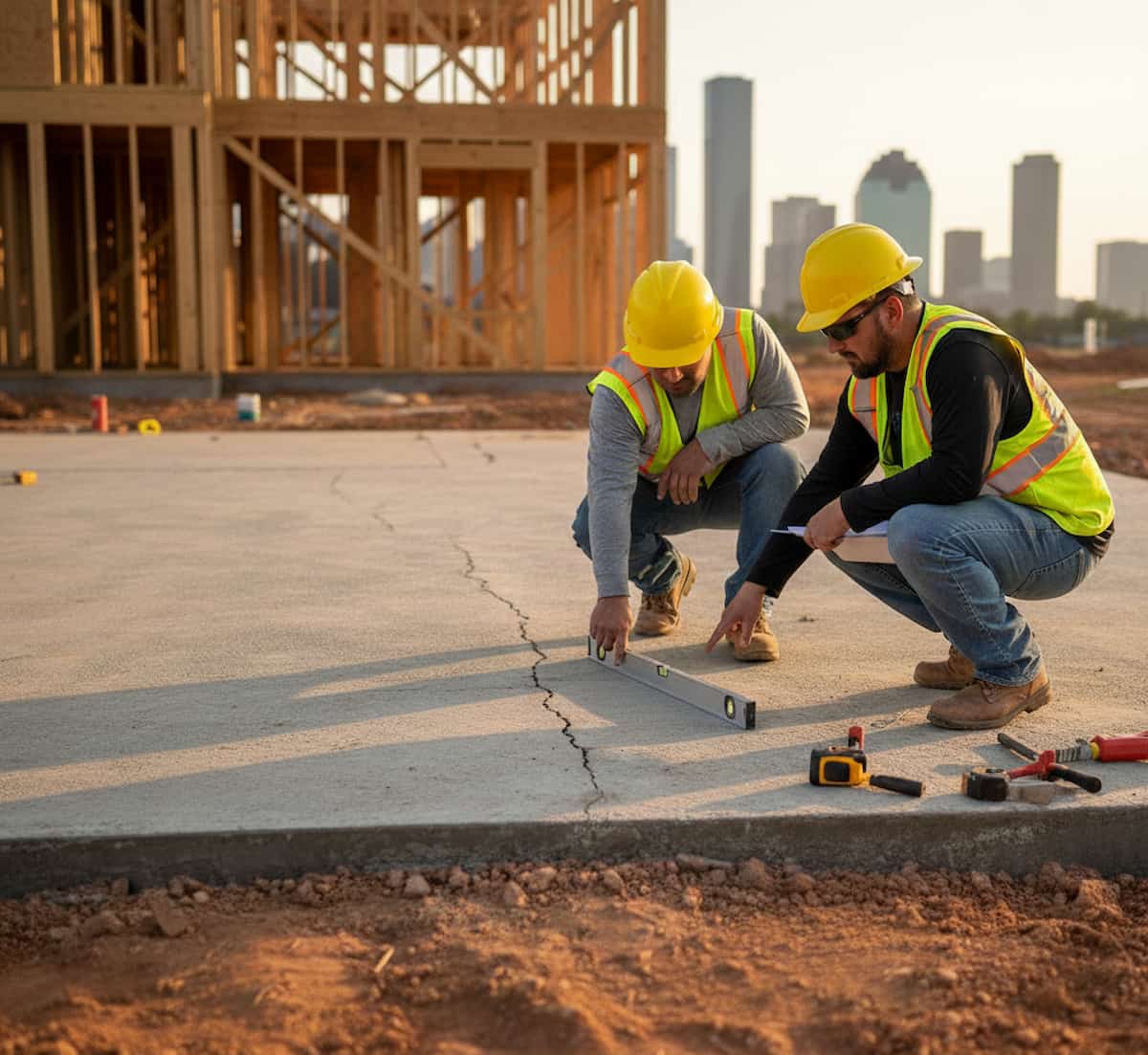
What Are Common Causes of Subsurface Defects?
Subsurface defects refer to any defect that starts below ground but ultimately materializes in the structure itself later on. The most common defects include:
- Expansive Clay Soil Movement. If builders fail to account for Houston’s shifting soil conditions, the construction may not be prepared to account for swelling and contracting against the foundation.
- Insufficient Soil Compaction. Before construction begins, soil must be properly compacted in layers. If compaction is rushed or poorly executed, the ground can settle unevenly over time.
- Inadequate Drainage or Grading. This can lead to standing water near the foundation and increase soil instability.
- Improper Site Preparation. Failure to conduct adequate soil testing or to follow geotechnical recommendations can result in unsuitable building foundations.
- Underground Voids or Utilities. Poorly backfilled trenches, abandoned sewer lines, or eroding subsurface materials can create voids that undermine the foundation.
In many cases, a property may suffer from a combination of these defects. Unfortunately, any one of these defects can lead to other defects and compound structural issues.
What Are the Signs of Subsurface Defects?
Since subsurface defects begin underground, homeowners and property owners must watch for warning signs of foundation movement or soil instability.
Common red flags include:
- Horizontal or stair-step cracks in foundation walls
- Wide cracks in brick or drywall
- Uneven or sloping floors
- Doors and windows that stick or fail to close properly
- Gaps between walls and ceilings or baseboards
- Water pooling near the foundation
- Persistent moisture beneath the flooring
Over time, you may notice several of these signs.
What to Do If You Suspect a Subsurface Defect?
If you spot these issues, you should contact a qualified geotechnical or structural engineer to evaluate the problem and determine whether it is connected to a subsurface defect. These professionals can evaluate soil conditions, review compaction reports, and assess your foundation design.
It is also important to document visible damage through photographs and personal notes. You should track progression over time to help identify the severity of the problem.If your subsurface defect was the result of poor design or construction, you have a construction claim in Houston against the party responsible for causing the issue. An experienced Houston construction defect lawyer can help you understand your legal options. Call Porter Law Firm today for a confidential consultation to discuss your case.